- 相关推荐
元旦的由来英文版
元旦就要来临,那么关于元旦的由来怎么用英文描述?以下是小编给大家整理提供的相关内容,快来阅读了解。
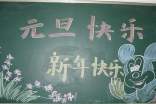
New Years Day 元旦
"Yuan" has meaning only, "Dan" means the dawn of time, but also refers to the day pass. New Years Day is the beginning of the year on the first day.
“元”有始之意,“旦”指天明的时间,也通指白天。元旦,便是一年开始的第一天。
Chinas ancient New Years Day is not the same month. In the first lunar month started this summer on behalf of the Shang dynasty who started in December, Zhou who started in November, after the emperor Tongyiliuguo so, on New Years Day a day in early October and since then successive Xiangyan not changed and ( "Historical Records"). The first year of Emperor Wu was in the beginning, the Sima Qian, the creation of a "calendar was in the beginning," This Youyi who started for the first month in the New Year, and the summer on behalf of the provisions of the same, so called "traditional Chinese lunar calendar," has been in use to the 1911 Revolution. The establishment of the Republic of China Sun Yat-sen in order to "line XIA, so shun farming season; from the Western calendar, so they Statistics", will be the first month started this (New Years Day) for the Spring Festival, while the west of the calendar (Gregorian calendar) January 1 as New Years. September 27, 1949, the First Plenary Session of the CPPCC through the use of the "Year Annals Law," who started the first lunar month, called "Spring Festival" will Gregorian calendar January 1 as the "New Years Day."
我国历代元旦的月日并不一致。夏代在正月初一,商代在十二月初一,周代在十一月初一,秦始皇统一六国后,又以十月初一日为元旦,自此历代相沿未改(《史记》)。汉武帝太初元年时,司马迁创立了“太初历”,这才又以正月初一为元旦,和夏代规定一样,所以又称“夏历”,一直沿用到辛亥革命。中华民国建立,孙中山为了“行夏正,所以顺农时;从西历,所以便统计”,定正月初一(元旦)为春节,而以西历(公历)1月1日为新年。1949年9月27日,中国人民政治协商会议第一届全体会议通过使用“公元纪年法”,将农历正月初一称“春节”,将公历1月1日定为“元旦”。
Because of the longitude of the world in different locations, countries of time is also different, accordingly, "new date there are also different. Such as Oceania located in the west of the RiJieXian island-state, it is the first day of the first place, also be to celebrate New Years country. Located in the east side of the RiJieXian XiSaMaYa is the worlds most late start a new day of place. According to the calendar to count, our country is the worlds first start New Year 12 countries .
由于世界各国所处的经度位置不同,各国的时间也不同,因此,“元旦”的日期也有不同。如大洋洲的岛国汤加位于日界线的西侧,它是世界上最先开始的一天的地方,也是最先庆祝元旦的国家。而位于日界线东侧的西萨摩亚则是世界上最迟开始新的一天的地方。按公历计,我国是世界上第12个开始新年的国家。
元旦简介:
在当代,元旦指公元纪年的岁首第一天(即1月1日)。自西历传入我国以后,元旦一词便专用于新年,传统的旧历年则称春节。
而在此之前,元旦一直是指农历岁首第一天的。元是“初”“始”的意思,旦指“日子”,元旦合称即是“初始的日子”,也就是一年的第一天。
Folk customs of New Years Day
1. Eating dumplings
On New Years Day, there is a custom of eating dumplings in northern regions. Because New Years Day is a renewal of the old and new years, also known as the Year of Jiaozi, and dumplings are homophonic with Jiaozi, everyone will eat dumplings on New Years Day, hoping for a very good omen and good luck in the new year.
2. Eat rice dumpling
The New Years Day on January 1 every year is a day for everyone to get together, so in order to celebrate the coming of this day, the older generation will cook a bowl of hot rice dumpling for the younger generation to eat in the morning, hoping that after eating, they can welcome the arrival of the New Year, and also hope that after eating, the day can be happy, reunited and sweet.
3. Eating rice cake
Eating rice cake on New Years Day also symbolizes a new year, where life and career can flourish like rice cake, bringing a good omen. So there is a custom of eating rice cake on New Years Day in the southern region.
New Years customs in the north
The winter weather in northern China is cold, with short days and long nights. Starting from New Years Day, the idle farmers slaughter pigs and sheep, sit cross legged on the earthen bed, chat about daily life, do not work, and do not go out until the 15th day of the first lunar month. Due to the cold weather, the main diet for New Years Day in Northeast China is frozen food, pickled vegetables, and stewed food. Frozen dumplings, pickled Chinese cabbage stewed noodles, pickled snow and red sauce are all necessary foods for New Years Day.
Children in Beijing will eat Bingtanghulu in the New Year, which symbolizes the prosperity of the new year. In terms of culture and customs, Yangko dance, stilt walking, and Northeast Errenzhuan are all performed consecutively at temple fairs. Tianjin is overwhelmed with window decorations, couplets, and entertainment activities. On New Years Day in Shandong, students offer incense and worship to the statue of Confucius in hopes of achieving success in the imperial examination next year.
New Years customs in the south
Compared to the traditional customs of New Year in the north, the customs of New Year in the south tend to lean towards elegance. In the Jiangsu and Zhejiang regions, during the New Years Day season, bamboo poles are tied to grass and ignited, known as "Qingtian silkworms". On New Years Day in Shaoxing, guests are served with "tea bowls and tea", and some even add olives and kumquats, known as "holding gold ingots".
In Fujian, the Min pronunciation of "spring" is the same as "leftover". On New Years Day, flowers made of red paper are ed on rice, commonly known as "spring rice". Spring rice is a symbol of surplus every year. In Guangdong, during New Years greetings, elders will give red envelopes or citrus fruits to younger generations, which is also a symbol of good luck and surplus for the coming year.
【元旦的由来英文版】相关文章:
清明节的由来英文版09-08
开斋节的由来英文版10-25
母亲节的由来英文版12-01
国庆节的由来英文版10-10
中元节的由来英文版10-02
圣诞节的由来英文版10-21
元旦的由来07-20
腊八粥的由来英文版01-18
英文版春节的由来10-15